
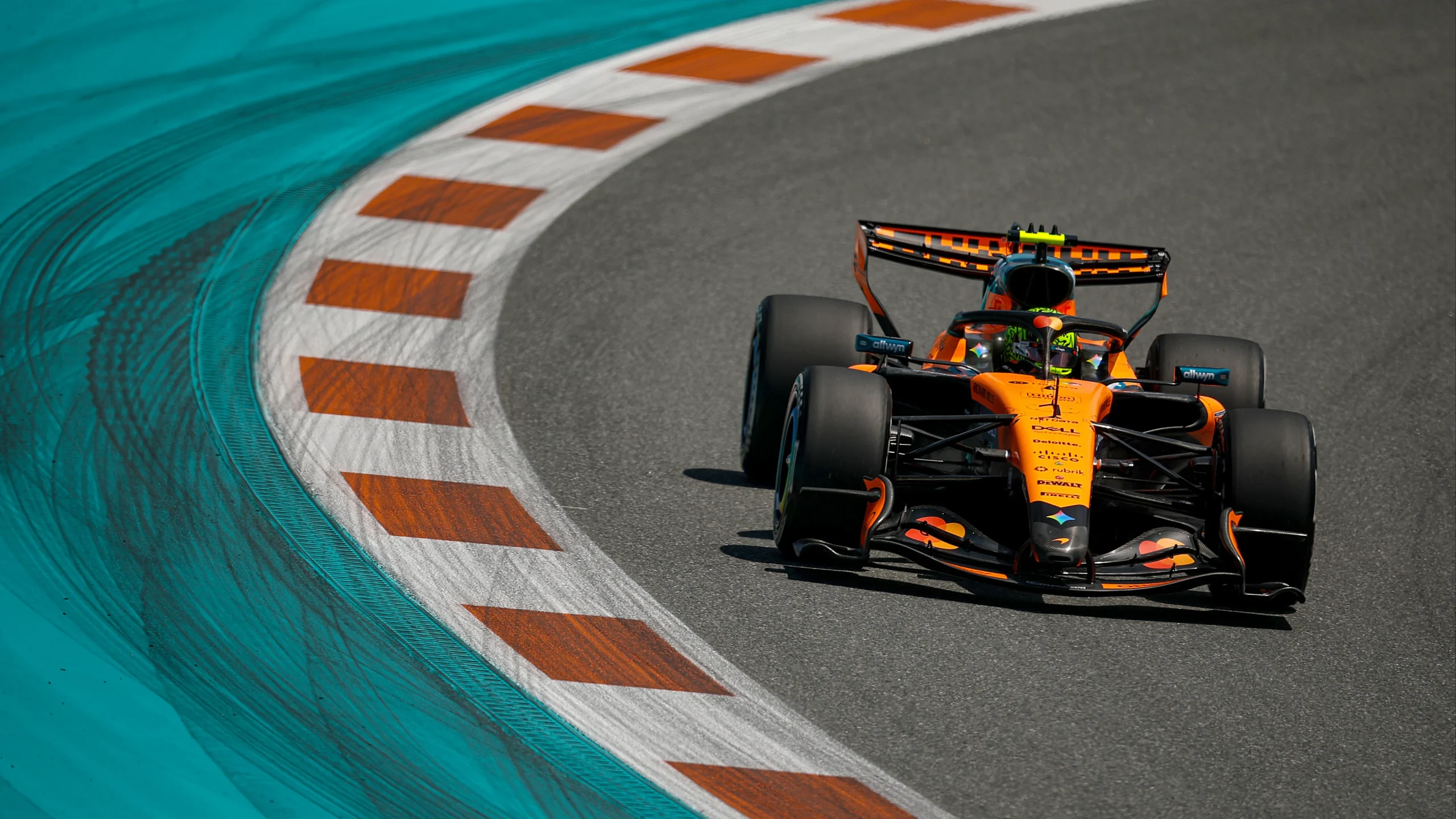
For years, Formula One World Championship has marketed itself as the pinnacle of motorsport innovation. But in 2026, Formula 1 may have pushed innovation so far that it has started damaging the very product fans fell in love with.
The FIA and Formula 1 leadership entered this new era promising lighter cars, closer racing, greater sustainability, and a fresh competitive reset. On paper, the objectives sounded sensible. In reality, many of the changes have created confusion, alienated drivers, and raised concerns that the sport has become overly engineered creating artificial racing quality.
Here are the biggest organisational mistakes Formula 1 has made in 2026 and why the new regulations are already facing heavy criticism.
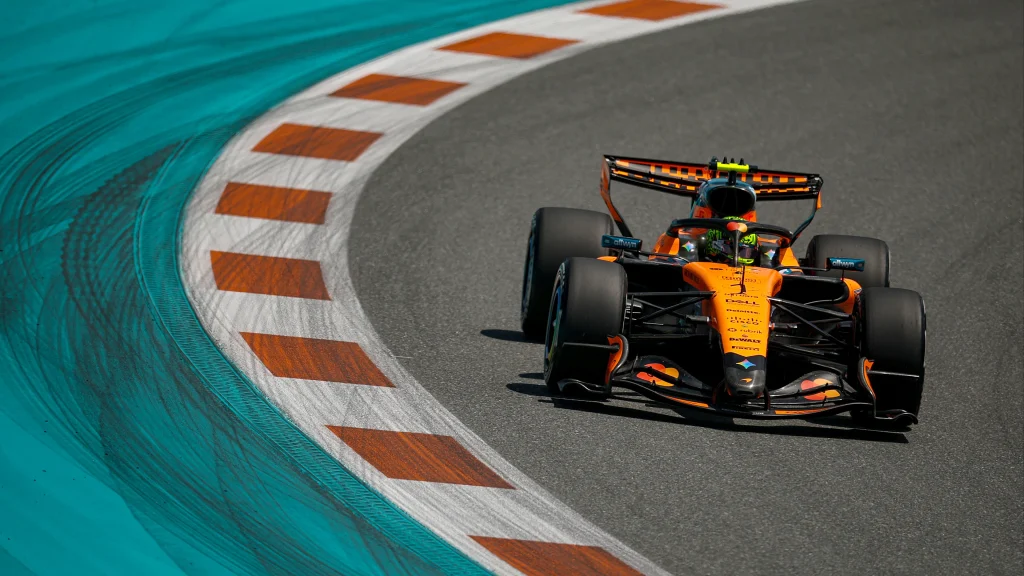
1. Overcomplicating the Sport With Excessive Technical Regulation
One of Formula 1’s greatest strengths has always been the balance between technical innovation and sporting spectacle. In 2026, that balance appears broken.
The new regulations introduced active aerodynamics, revised power units, complex energy deployment systems, and multiple operating modes during races. The FIA promoted these rules as a way to improve efficiency and overtaking.
Instead, many fans now struggle to understand what is happening during races.
Drivers themselves have criticised the increasing complexity. Reports suggest even some competitors find sections of the rulebook difficult to interpret.
That creates a serious issue for Formula 1 as a product. Casual viewers are unlikely to stay emotionally invested in a sport that increasingly resembles an engineering simulation rather than a racing championship.
The irony is that Formula 1 spent the last decade trying to grow its global audience through accessibility, social media, and entertainment. The 2026 rules risk undoing some of that progress.
2. The New Engine Regulations Have Created the Wrong Type of Racing
The 2026 power unit regulations are arguably the most controversial decision the FIA has made in years.
The new engines dramatically increased reliance on electric power, creating an almost 50/50 split between combustion and battery deployment.
While sustainability is important, the implementation has produced several unintended consequences:
- Drivers are forced into extreme energy management
- Cars lose power at awkward moments
- Racing often becomes about battery preservation rather than attacking
- Full throttle racing is reduced
Several drivers, including reigning stars, have openly criticised the system. Lando Norris reportedly argued that Formula 1 should “get rid of the battery” element entirely because the current formula compromises racing quality.
This is a fundamental organisational failure.
Formula 1’s leadership became so focused on attracting manufacturers and meeting sustainability targets that they overlooked the most important thing: whether the cars would actually race well.
Historically, the best Formula 1 eras combined technological progress with aggressive racing. The 2026 regulations currently feel more like an energy efficiency competition.
3. Active Aerodynamics Risk Making Racing Artificial
The FIA replaced traditional DRS with active aerodynamic systems that constantly alter wing positions depending on driving mode.
The governing body claimed this would create more dynamic racing and improve efficiency.
However, critics argue the opposite.
Instead of reducing artificial intervention, Formula 1 may have simply replaced one gimmick with another, only this time it is even more complicated.
The concern is that drivers now spend too much time managing systems rather than racing instinctively. Fans already criticised DRS for feeling artificial. Active aero potentially amplifies that criticism because it becomes a permanent feature throughout the lap rather than a temporary overtaking aid.
There is also the visual problem.
Formula 1 cars once looked aggressive and mechanically raw. The new era increasingly resembles highly automated aerospace technology.
For purists, that weakens the emotional identity of the sport.
4. Formula 1 Ignored Warnings About Competitive Imbalance
Every major regulation reset in Formula 1 history creates winners and losers. But many within the paddock warned that the scale of the 2026 changes risked producing enormous performance gaps between teams.
The FIA changed almost everything simultaneously:
- Chassis philosophy
- Aerodynamics
- Energy systems
- Sustainable fuels
- Engine architecture
That level of simultaneous change creates the perfect conditions for domination by one manufacturer or team.
There are already concerns that some engine suppliers may hold major advantages due to loopholes or superior interpretation of grey areas in the regulations.
Formula 1 has spent years trying to reduce domination cycles through budget caps and aerodynamic testing restrictions. Yet the 2026 reset may unintentionally recreate the exact problem the sport was attempting to eliminate.
If one manufacturer dominates for several seasons again, the FIA will have largely caused the issue itself.
5. Sustainability Messaging Has Started to Feel Contradictory
Formula 1 deserves credit for attempting to modernise environmentally. The move toward sustainable fuels is ambitious and technologically impressive.
But the messaging around sustainability has sometimes conflicted with the realities of the sport.
Fans increasingly question whether Formula 1 is genuinely pursuing sustainable innovation or simply creating marketing language around extremely expensive technology.
The contradiction becomes more obvious when:
- Teams still transport massive infrastructure globally
- Cars become more electronically complex
- Costs continue rising
- Manufacturers gain increasing political influence
Sustainability should enhance Formula 1, not dominate its identity.
Right now, many fans feel the sport is prioritising corporate objectives over entertainment.
6. Formula 1 Keeps Forgetting That Emotion Drives the Sport
Perhaps the biggest organisational mistake of all is that Formula 1 leadership often behaves as though engineering alone sells the sport.
It does not.
People watch Formula 1 because of:
- Rivalries
- Driver personalities
- Wheel to wheel battles
- Risk
- Speed
- Noise
- Unpredictability
The 2026 regulations may improve efficiency figures and attract manufacturers, but they risk reducing the raw emotional intensity that made Formula 1 globally popular in the first place.
Even FIA President Mohammed Ben Sulayem has acknowledged growing pressure to rethink the direction of the engines, with discussions already emerging about a future return to V8 power units.
That alone says a lot.
When leadership begins discussing replacing regulations before the cycle has fully matured, it suggests confidence in the current direction is already weakening.
Final Thoughts
The problem with Formula 1 in 2026 is not that the sport wants to innovate. Innovation has always been central to Formula 1’s DNA.
The problem is that Formula 1 appears to have forgotten the difference between technological progress and sporting entertainment.
The new regulations may eventually improve with refinement, but as an organisation, Formula 1 made several critical mistakes:
- Overcomplicating the racing product
- Prioritising energy management over wheel to wheel competition
- Introducing overly artificial racing systems
- Risking another era of domination
- Failing to preserve the emotional identity of the sport
Formula 1’s challenge now is simple.
It must decide whether it wants to be the world’s most advanced motorsport laboratory or the world’s greatest racing spectacle.
The best eras of Formula 1 managed to be both.
Sources
- Formula1.com, “2026 Regulations Explained: All you need to know about F1’s new aerodynamics”
Formula1.com 2026 Aero Regulations - Formula1.com, “FIA unveils Formula 1 regulations for 2026 and beyond”
Formula1.com FIA 2026 Regulations Overview - The Guardian, “F1 under increasing pressure to make more changes to engine rules”
The Guardian F1 Engine Rules Criticism - The Times, “F1 risks alienating fans with rulebook even some drivers don’t understand”
The Times F1 Rulebook Criticism - Reuters, “FIA boss divided on multi team ownership”
Reuters FIA Governance Concerns - Reddit Formula 1 community discussions on 2026 regulations
Reddit Formula1 Discussions on 2026 Rules - Image Credit: https://www.mclaren.com/racing/formula-1/2026/miami-grand-prix/the-briefing/